Bali Rice Terrace, Water Temple & Waterfall Private Tour from Ubud

Most single-waterfall tours from Ubud pick one cascade and build a day around it. This private tour covers three (Tukad Cepung, Kanto Lampo, and Tibumana) plus Tirta Empul water temple and the Tegalalang Rice Terrace, on a flexible 6-hour or full-day route. It's the option for travelers who want the temple, the terraces, and more than one waterfall in a single trip. For a comparison of all Ubud waterfall options, see the best Bali waterfall tours from Ubud.
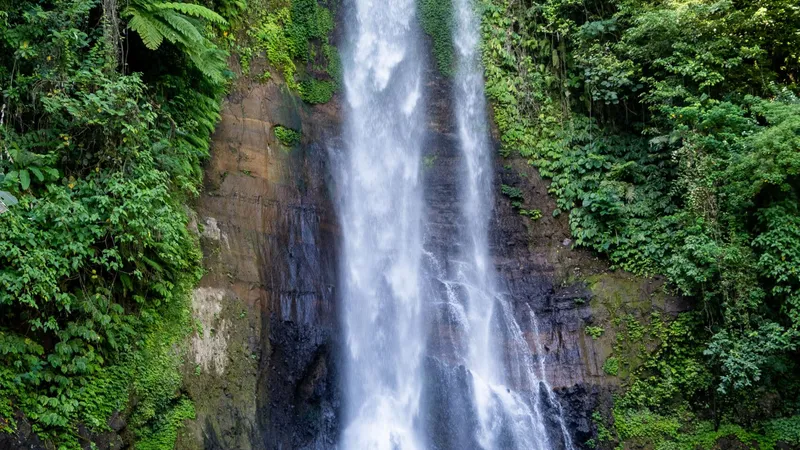
Tour at a Glance
Free cancellation up to 24 hours before departure
Choose a 6-hour or full-day private tour. The itinerary and stop count depend on the option you pick.
Private driver-guide, mineral water, and parking included. Entrance tickets extra if selected.
One of Bali's most sacred water temples, known for its holy water purification ritual
Bali's iconic stepped rice terraces, with an optional coffee plantation stop nearby
Tukad Cepung, Kanto Lampo, and Tibumana, visited on the fuller version of this tour
Check Dates and Book Your Spot
This private tour departs daily from Ubud with a 6-hour or full-day option. Select your date to confirm availability with free cancellation.
One Private Tour, Three Waterfalls
Most Ubud waterfall tours build the whole day around a single cascade. This one is different: on the full-day option, the itinerary can take in Tukad Cepung, Kanto Lampo, and Tibumana in the same trip, alongside Tegalalang Rice Terrace and Tirta Empul Temple. On the 6-hour option, the route covers up to three of those stops instead of all five, and the operator adjusts the exact combination based on traffic, weather, and crowd levels on the day.
The route starts at Tegalalang Rice Terrace, where you can walk the paths between the paddies, with an optional stop at a local coffee plantation to sample Balinese coffee. From there it continues to Tirta Empul, one of Bali's most sacred water temples, known for its row of spouts where visitors take part in a traditional purification ritual. Bring a change of clothes and a towel if you plan to enter the holy water yourself.
After an optional lunch stop, the tour moves on to the three waterfalls. Tukad Cepung is the most physically demanding: reaching it means walking down roughly 200 steps and a short rocky path with shallow streams, with sunlight falling through a narrow cave opening onto the water below. Kanto Lampo is one of Bali's most photogenic falls, known for its layered rock formations, though its popularity means short waits for photos are common. Tibumana sits in lush forest with a calmer pool, better suited to swimming or simply relaxing.
Private Tour Itinerary
-
Morning
Pickup in Gianyar Regency
Your driver-guide collects you for a 6-hour or full-day private tour. The stop count depends on the option you book.
-
First stop
Tegalalang Rice Terrace
Walk the paths between Bali's iconic stepped paddies, with an optional coffee plantation stop nearby to sample Balinese coffee.
-
Next
Tirta Empul Temple
Visit one of Bali's most sacred water temples and its purification ritual. Bring a change of clothes and a towel if you plan to enter the holy water. The site can be busy during peak hours.
-
Midday
Optional lunch stop
A break at a local restaurant on the route. Lunch is optional and not included unless arranged with your driver.
-
Afternoon
Tukad Cepung Waterfall
A waterfall hidden inside a cave, where sunlight falls through the rock in narrow beams. Reaching it takes roughly 200 steps down and a short rocky path with shallow streams. The walk back uphill takes more effort.
-
Later afternoon
Kanto Lampo & Tibumana Waterfalls
Kanto Lampo is known for its layered rock formations and can have short waits for photos given its popularity. Tibumana is calmer, set in lush forest, and better suited to swimming or simply relaxing.
-
Return
Drop-off in Gianyar Regency
Private transfer back to your starting point.
Tukad Cepung: What to Expect
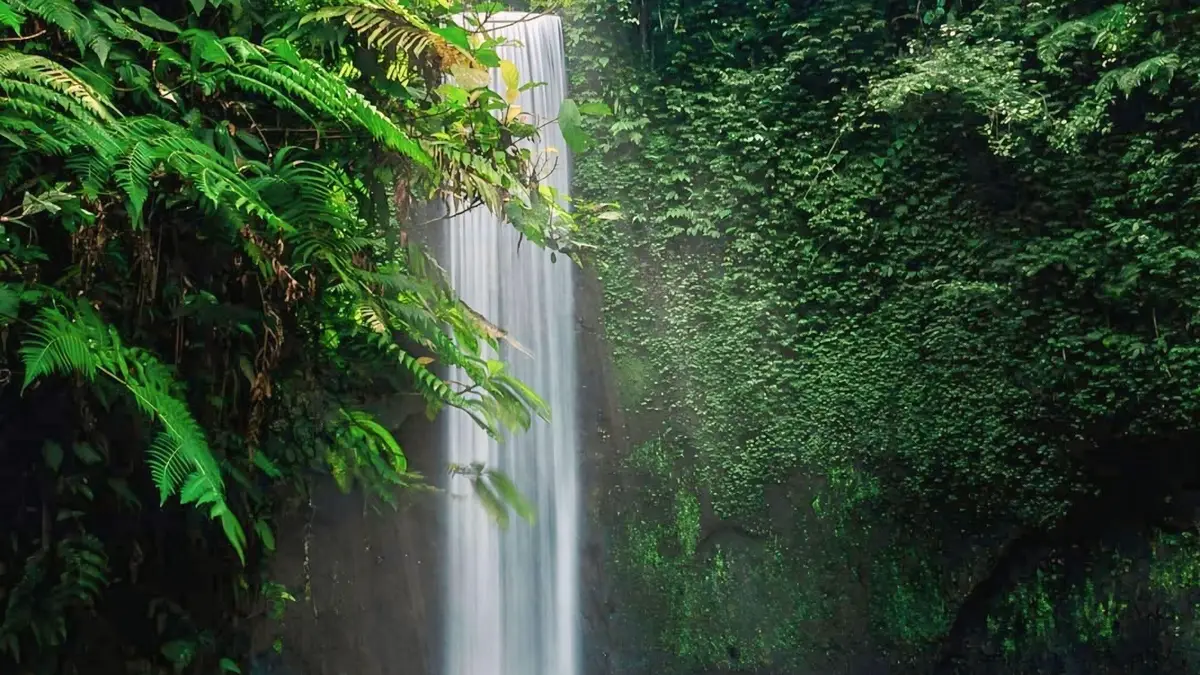
Tukad Cepung is the stop that takes the most effort on this tour. A few practical notes:
- Reaching the waterfall requires walking down roughly 200 steps and a short rocky path with shallow streams
- The walk back uphill takes more effort than the way down, so allow extra time and pace yourself
- This tour includes walking on uneven paths, stairs, and slippery areas near all three waterfalls, per the operator's own notes
- Lunch is optional on this tour and not included unless you specifically arrange it with your driver
- The exact combination of stops depends on the option booked, traffic, weather, and crowd levels on the day
Who This Tour is Best For
This tour is the right choice for:
- Travelers who want more than one waterfall in a single day rather than committing to just one cascade
- Those who want to combine a sacred water temple with waterfalls and rice terraces in one itinerary
- Visitors comfortable with stairs and uneven, sometimes slippery terrain near the falls
- Anyone deciding between a shorter 6-hour trip and a fuller day. Both options are available.
Not Suitable For
- People with back problems, mobility impairments, or heart problems
- Wheelchair users: the terrain near the waterfalls involves stairs and uneven paths
- People afraid of heights or with respiratory issues
What to Bring
- Comfortable shoes or sandals with grip for the uneven, sometimes slippery paths
- Change of clothes and a towel for the temple ritual and waterfall swimming
- Flip-flops or water shoes for wading near the falls
- Sunscreen and cash
Not Allowed
- Alcohol and drugs
Rice Terrace, Temple & Waterfall Tour: FAQ
What's the difference between the 6-hour and full-day options?
The 6-hour option covers up to three attractions, while the full-day option allows more stops, potentially all three waterfalls, the temple, and the rice terraces. The final itinerary depends on the option selected, traffic conditions, and crowd levels on the day.
Is lunch included?
No, lunch is optional and not included unless otherwise arranged. Your driver can recommend a restaurant along the route, at your own expense.
Which waterfall is the most physically demanding?
Tukad Cepung. Reaching it requires walking down roughly 200 steps and a short rocky path through shallow streams, with a more strenuous walk back uphill. Kanto Lampo and Tibumana are comparatively easier stops.
Can I enter the holy water at Tirta Empul?
Yes, you're welcome to take part in the traditional purification ritual or simply explore the temple grounds. Bring a change of clothes and a towel if you plan to enter the water, and be aware the site can be busy during peak hours.
How does this compare to a single-waterfall Ubud tour?
This tour covers more ground: up to three waterfalls plus a temple and rice terraces, depending on the option chosen. If you want a shorter, more focused trip built around monkeys and temples instead, the private Ubud waterfall, rice terraces and monkey forest tour is worth comparing.